
Research
Our group studies fluids in extreme environments, employing theoretical, numerical, and experimental approaches to develop innovative solutions for propulsion, energy, and environmental applications.
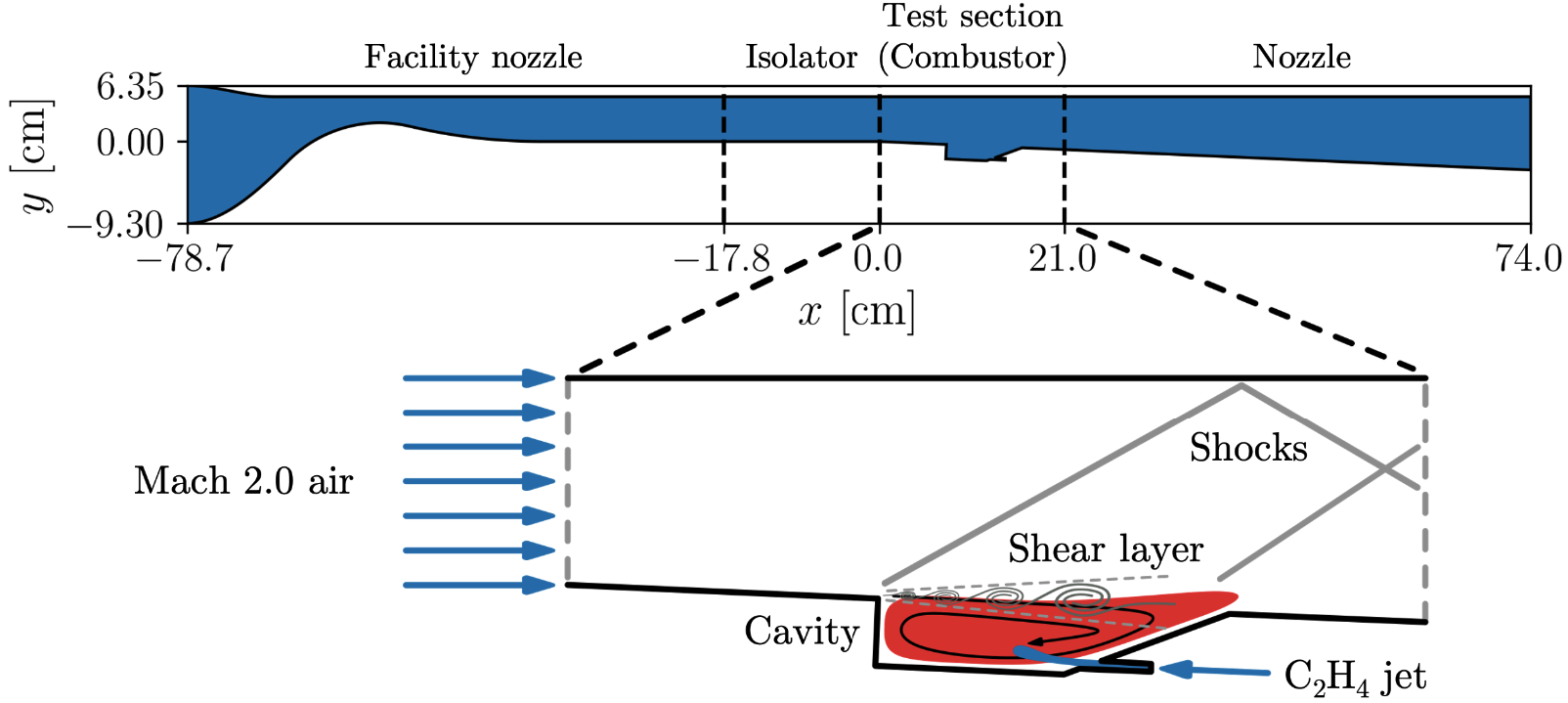
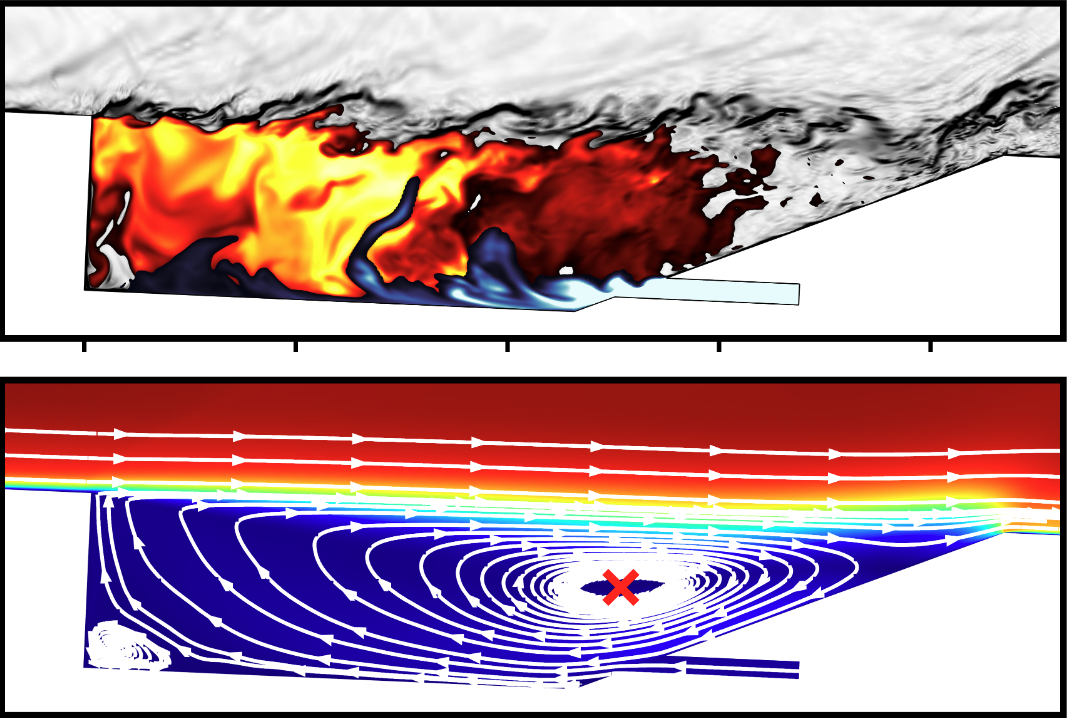
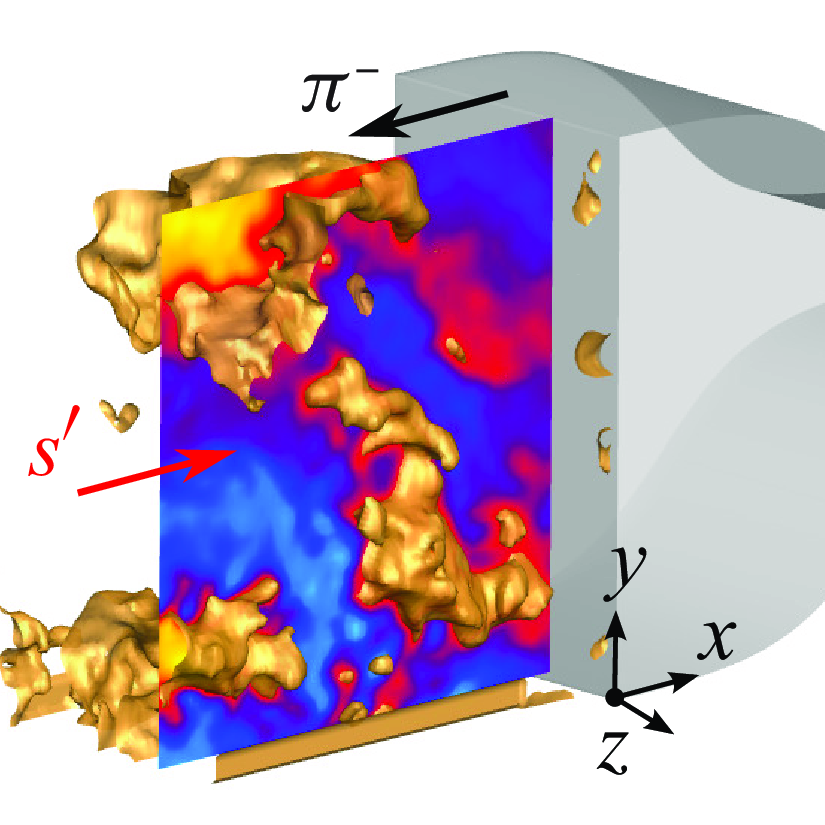
Figure: Cavity-stabilized scramjet combustor schematic with a zoomed view of the cavity flameholder.
The combustors that will power the next generation of aircraft, rockets, and power systems rely on combustion phenomena that are difficult to measure and that couple across disparate scales. Our work spans both experiment and high-fidelity simulation, letting us understand how turbulence, chemistry, shocks, and heat release interact under extreme conditions to shape system-level performance, stability, and emissions.
Some of our explorationsin this area include:
- Turbulent flames and ignition: Using high-fidelity simulation to study how turbulent flames ignite, stabilize, and couple with sprays, evaporation, and heat transfer across a wide range of fuels and operating conditions.
- Predictive combustion modeling: Developing fidelity-adaptive, radiation, and reduced-order models that make high-fidelity simulation of complex reacting flows both affordable and reliable.
- Advanced propulsion architectures and fuels: Studying ignition, mixing, and stability in liquid rockets, rotating detonation engines, scramjets, and porous-media burners for carbon-free fuels such as ammonia and hydrogen blends.
- Combustion instabilities and noise: Characterizing how unsteady heat release couples with combustor acoustics to generate thermoacoustic instabilities and both direct and indirect combustion noise.
Alternative Fuels and Porous Media
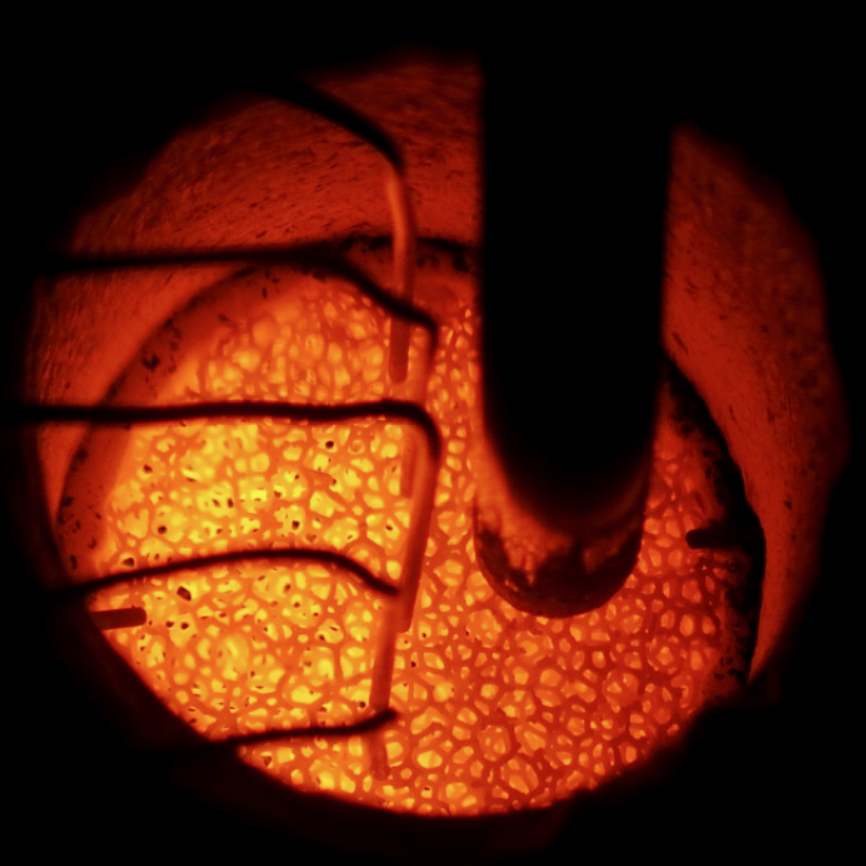
Carbon-free fuels such as ammonia burn poorly in conventional designs, with narrow flammability and elevated emissions. We develop novel porous-media architectures that recirculate heat within a solid matrix to stabilize lean ammonia-hydrogen flames, and use pore-resolved simulations to reveal the coupling between chemistry and the solid matrix.
Detonations and High-Speed Flows
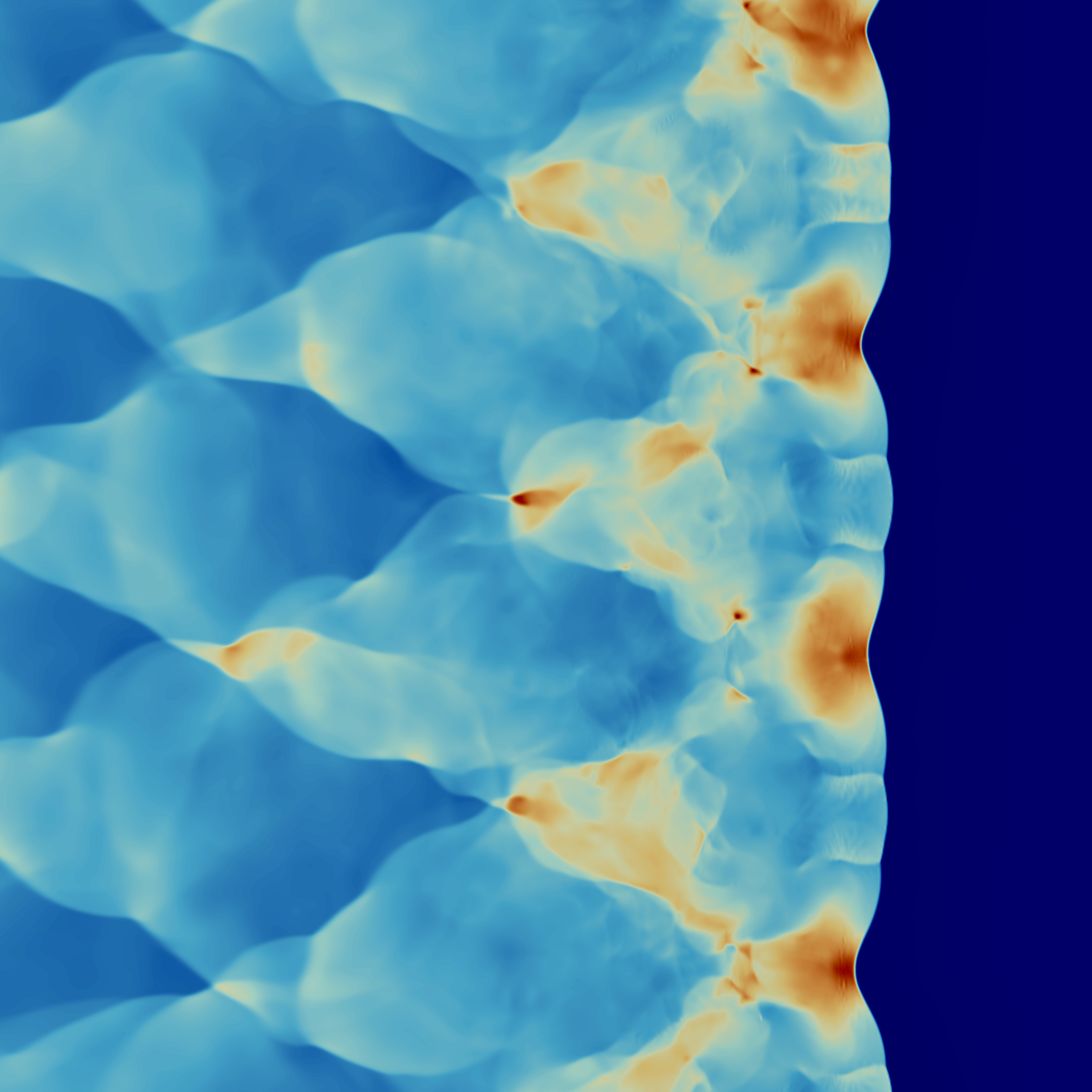
Detonation-based engines and scramjets promise higher efficiency than traditional designs but depend on highly coupled and compressible flow physics. Using high-fidelity simulation, we characterize these phenomena to improve prediction and inform the design of reliable system configurations.
Aeroacoustical Instabilities
Unsteady heat release coupled with combustor acoustics can drive instabilities that limit engine performance and durability. By studying the direct and indirect responses of combustors to acoustical perturbation, the effects of combustion and model design choice on aeroacoustical prediction can be quantified.
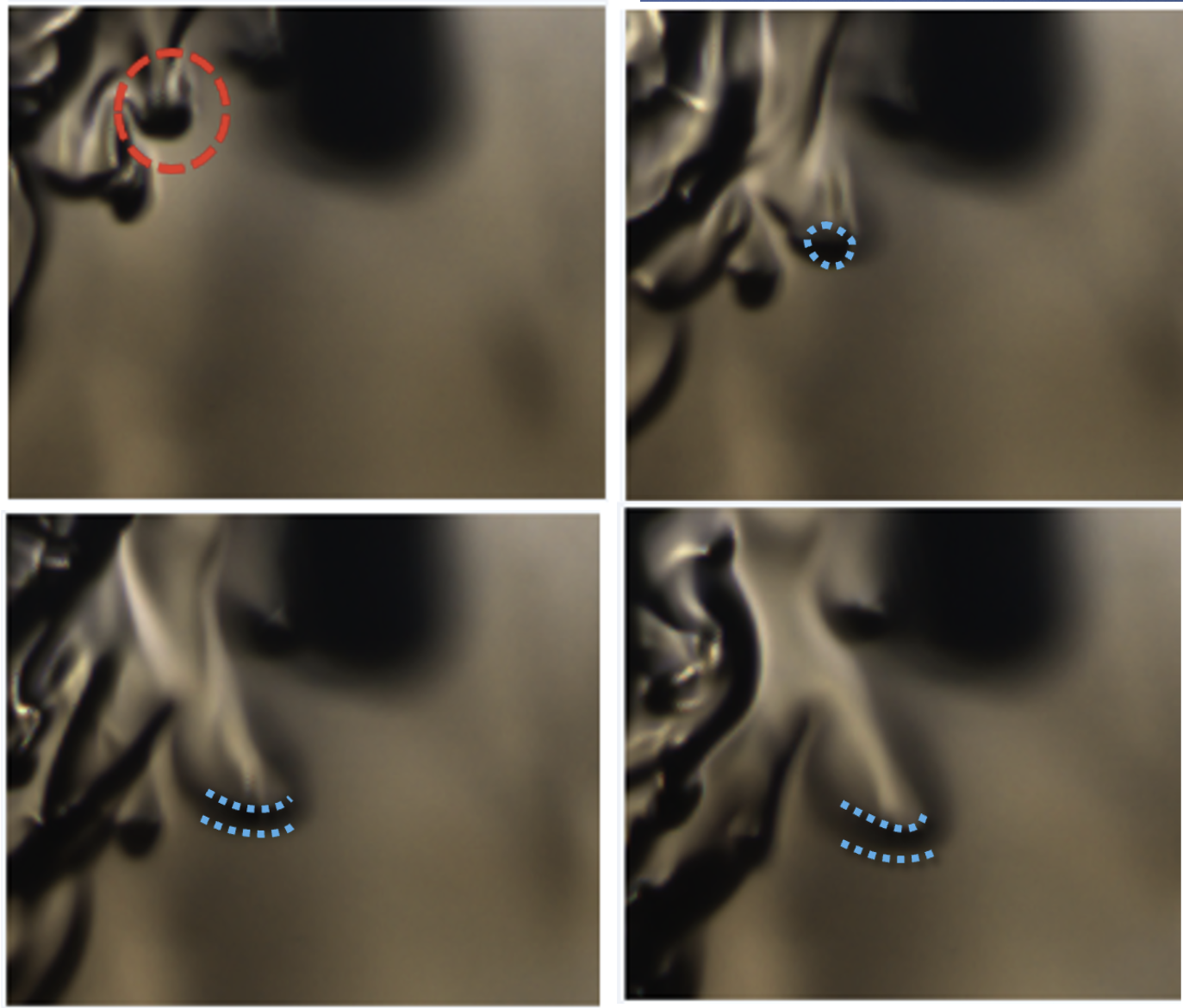
Figure: Experimental snapshots of the transcritical transition of a slow-moving fuel droplet.
Many propulsion and energy systems operate at pressures near or above the critical point of their fuels and combustion products, where the clean distinction between liquid and gas breaks down. Under these conditions, real-fluid thermodynamics, phase separation, and interfacial dynamics govern how fuels mix, evaporate, and ignite. We study these multiphase and real-fluid interactions through theory, high-fidelity simulation, and experiment, developing the models needed to predict mixing and combustion in the next generation of power-generation devices.
Our activities in this area center around the following:
- Real-fluid thermodynamics and phase behavior: Characterizing how phase separation, species immiscibility, and sharp property variations across the Widom line govern evaporation, mixing, and stability at transcritical and supercritical pressures.
- Unified interface-resolving methods: Developing numerical methods, such as the regularized interface method (RIM), to capture complex interfacial and mixing dynamics for high-pressure multiphase flows.
- Fuel injection and spray dynamics: Performing large-eddy simulations of turbulent sprays and propellant mixing layers to predict ignition and combustion-instability behavior in engines.
- Experiments and diagnostics: Using high-speed shadowgraphy and hot-surface ignition experiments to measure droplet breakup, evaporation, and stochastic ignition for both conventional and sustainable fuels.
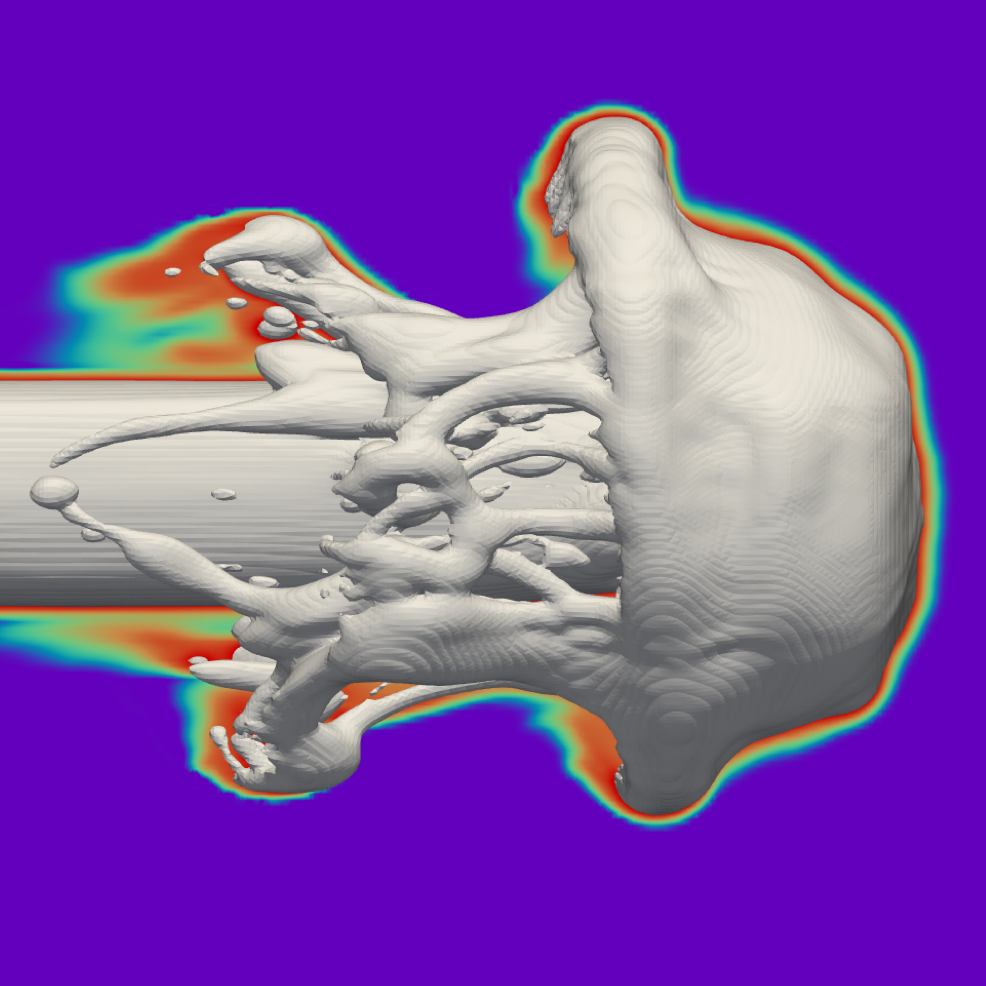
High-Pressure Multi-Species Phase Exchange
When immiscible fluids are injected into high-pressure environments, subcritical interfacial dynamics and supercritical mixing can coexist as temperature varies around the mixture's critical point. Resolving liquid and vapor interfaces significantly changes predicted atomization and mixing, effects that diffuse-interface models neglect.
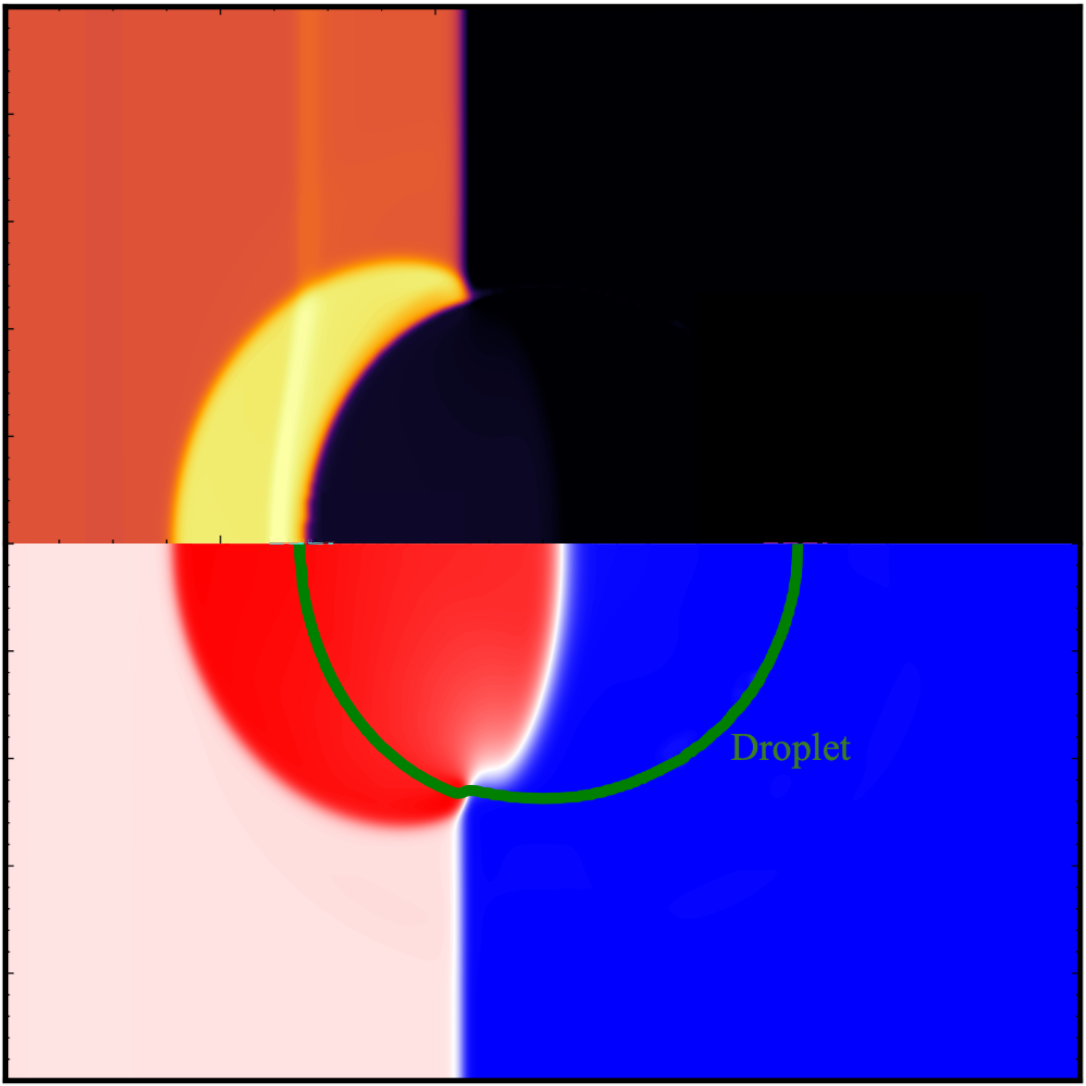
Shock Droplet Interaction
Modern high-pressure propulsion systems drive strong shocks through liquid droplets. Using RIM, we resolve how a shock can push a droplet interface into transcritical conditions, where the interface momentarily vanishes and re-emerges. These dynamics, typically neglected in engine simulations, influence mixing and combustion at elevated chamber pressures.
Hot Surface Ignition and Droplet Dynamics
When leaking fuel contacts a hot surface, its vapor can ignite and start a fire. We combine experiments and modeling to study this process: high-speed shadowgraphy captures how a droplet breaks up on impact, while stochastic low-order models predict the ignition probability and combustion dynamics.
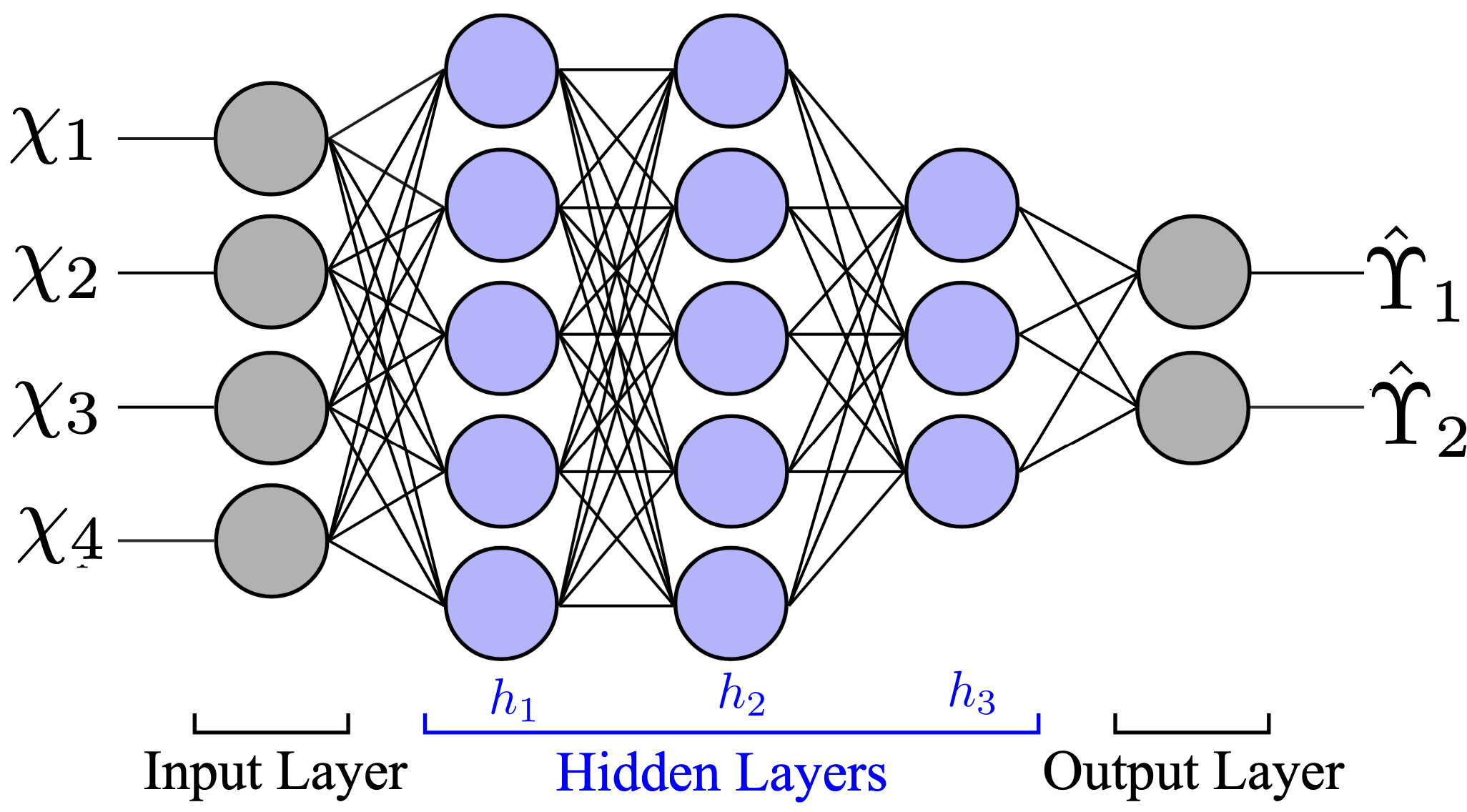
Figure: A fully connected neural network with four features, two predictions, and three hidden layers.
Machine learning is reshaping how we model combustion and fluid systems, but reliable predictions require pairing data-driven methods with physical domain knowledge. We develop machine learning and AI approaches that learn from high-fidelity simulations, high-resolution experiments, and sensor data to improve predictive modeling, accelerate expensive computations, and extract new insight from data. Throughout, we emphasize methods that remain physically interpretable and generalizable, addressing the challenges of dimensionality, sparsity, and data scarcity inherent to scientific machine learning.
Some core elements of our research program in this area include:
- Physics-informed and interpretable ML: Embedding physical constraints and extracting interpretable or symbolic expressions so that data-driven models remain generalizable and physically explainable.
- Data assimilation and state estimation: Using ensemble Kalman methods to fuse sparse high-speed experimental measurements into high-fidelity simulations of transient combustion and detonation dynamics.
- Scientific ML datasets and super-resolution: Developing large public benchmark datasets, such as BLASTNet, together with deep learning methods for reconstructing compressible reacting flows.
- ML-enhanced combustion closures and model assignment: Learning subgrid-scale and combustion submodels, and dynamically assigning models at simulation runtime, to reduce computational cost while improving accuracy over conventional closures.
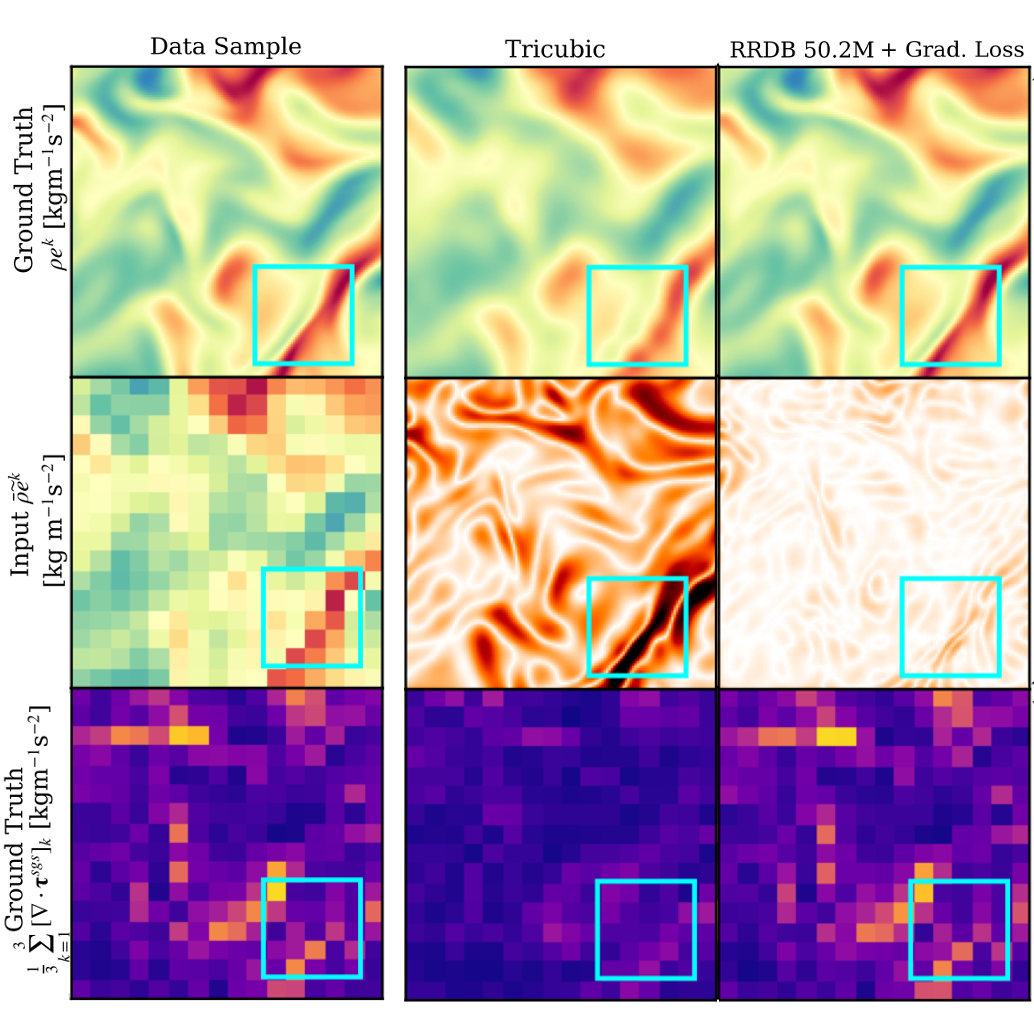
ML-enhanced model reconstruction
High-fidelity simulation and imaging of turbulent flows are limited by resolution and computational cost. We develop deep learning methods that reconstruct fine-scale flow structure from coarse data, showing how architecture, model size, and physics-based loss functions govern reconstruction accuracy.
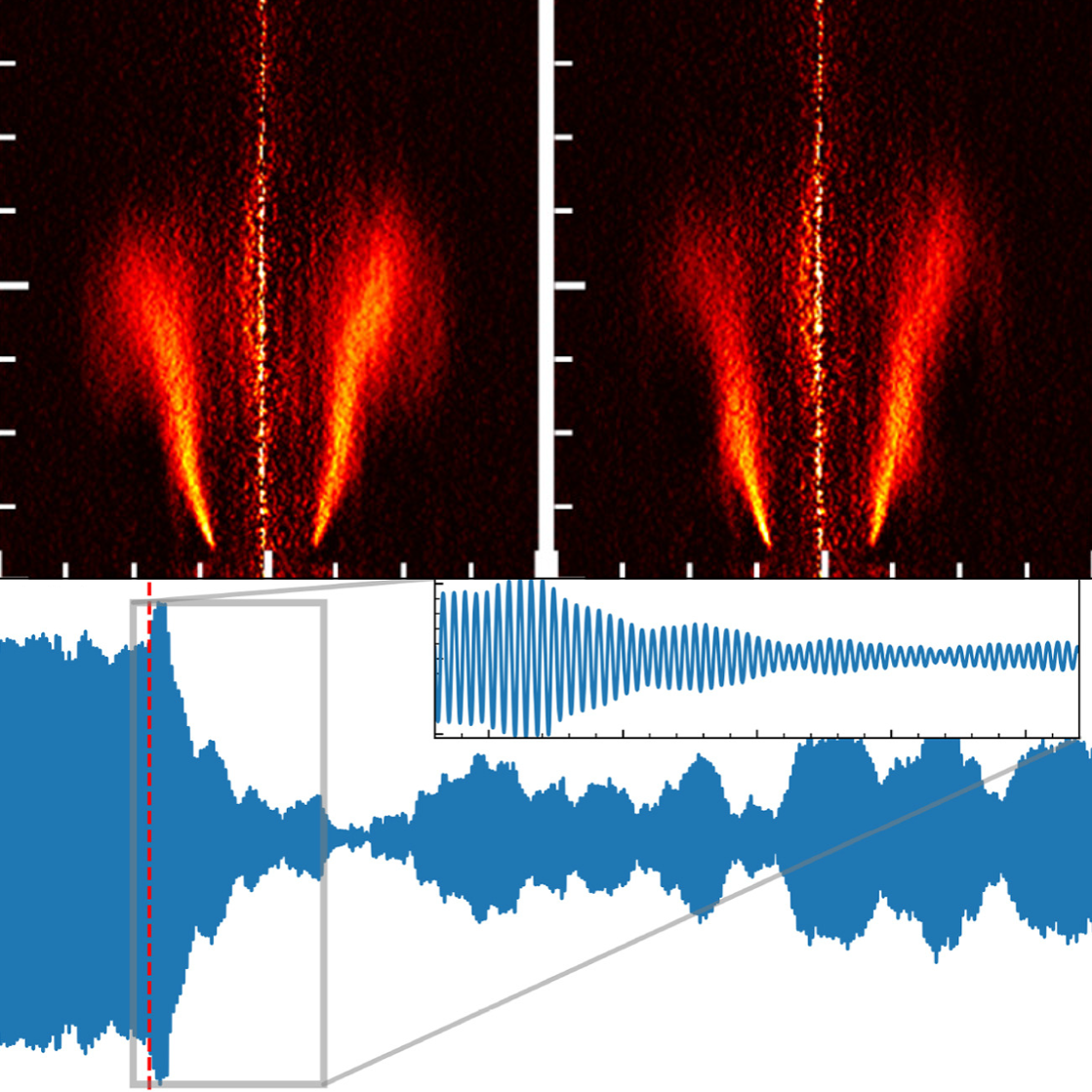
Reinforcement learning and active control
Thermoacoustic instabilities challenge the design and operation of combustion systems, and are increasingly important for next-generation combustors. We apply model-free deep reinforcement learning to adaptively tune active control systems, suppressing these instabilities across a wide range of operating conditions.
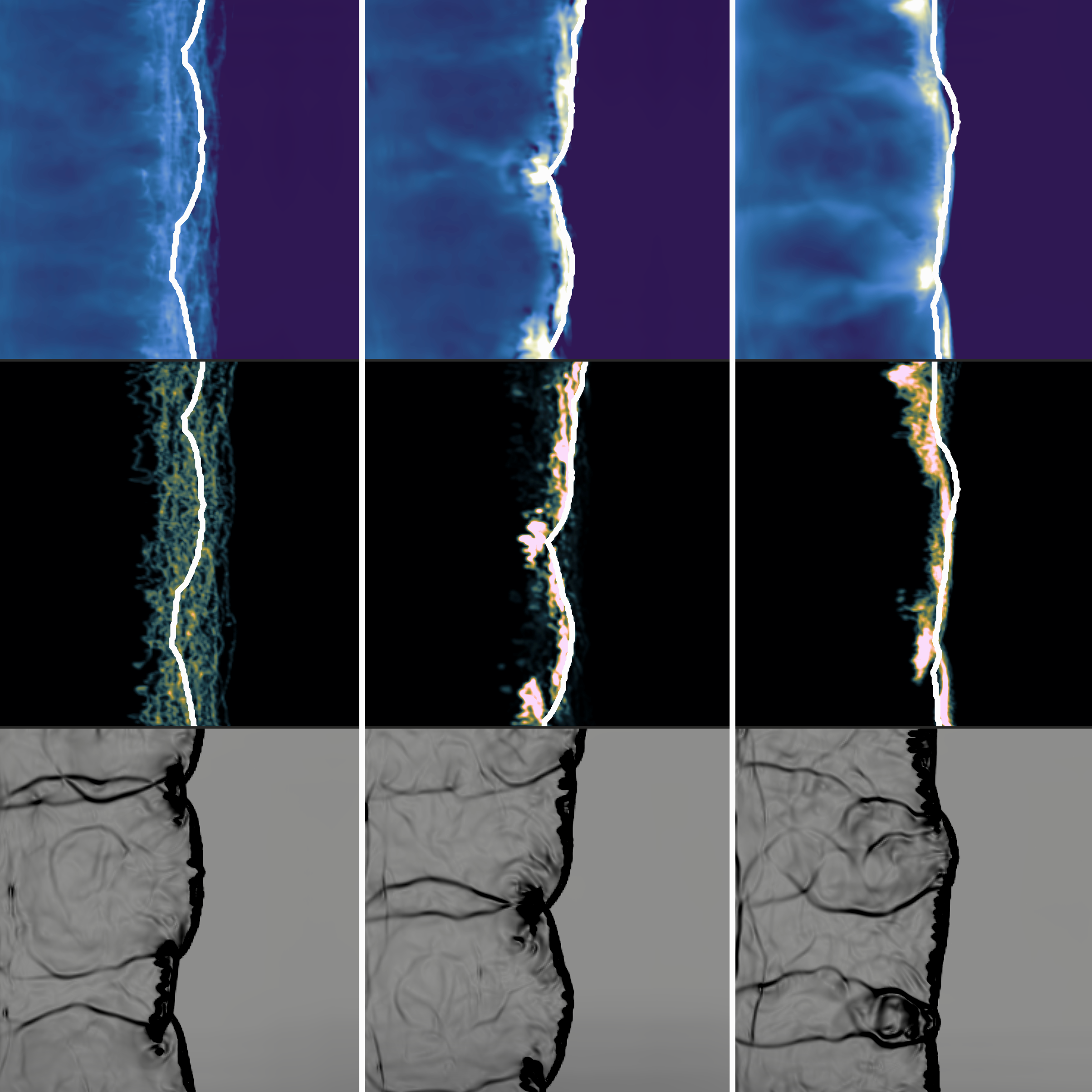
Data assimilation
Experimental diagnostics are sparse, while simulations provide full fields that gradually drift from reality. Data assimilation bridges the two, fusing limited high-speed measurements into high-fidelity simulations. We extend these methods to assimilating Schlieren and chemiluminescence images to reconstruct chaotic detonation phenomena.
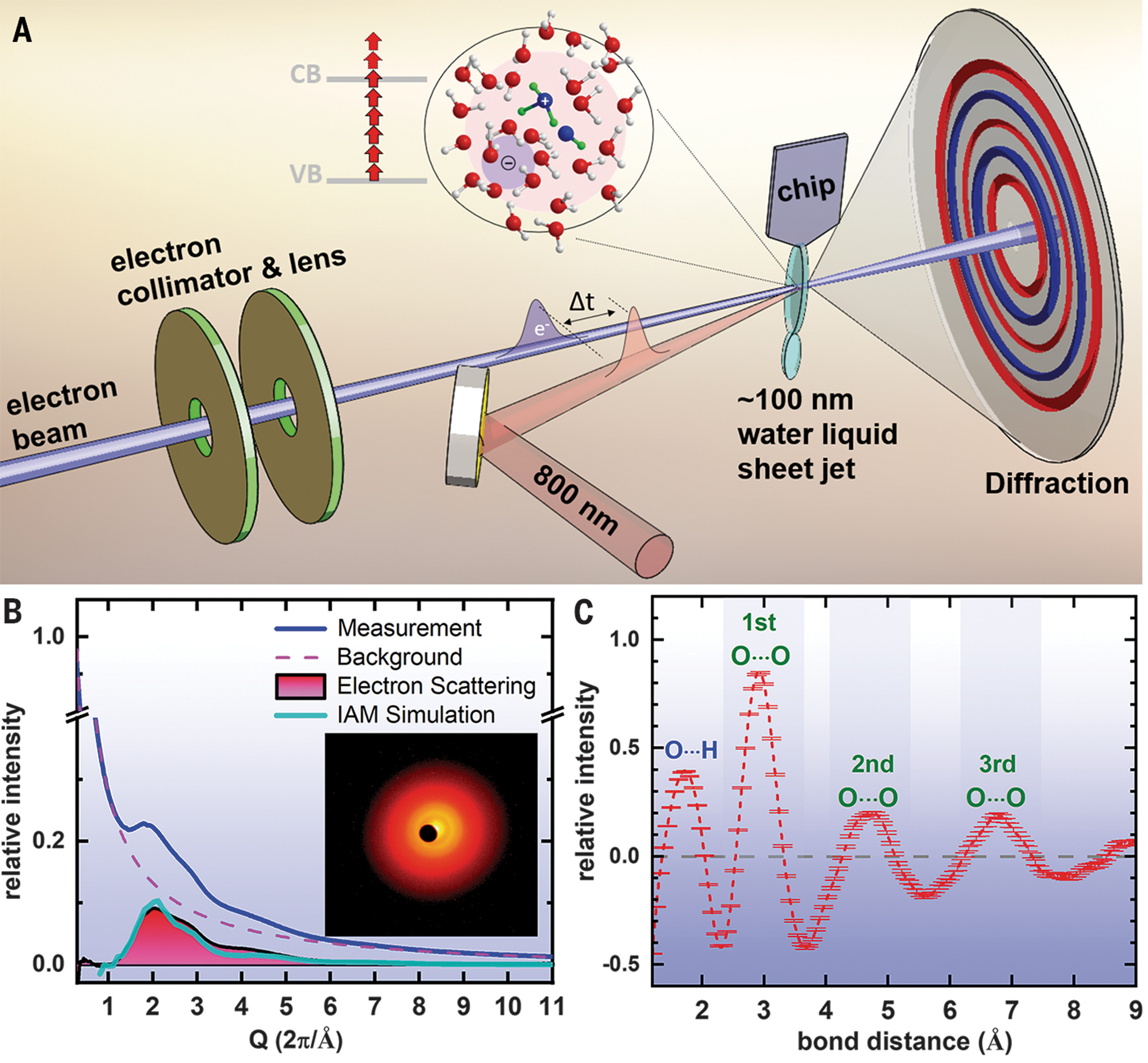
Figure: Ultrafast electron diffraction measurement of ionized liquid water.
Our group investigates the fundamental structure, ultrafast dynamics, and complex chemical processes occurring within liquids and supercritical fluids. By combining experiments performed at high-energy light sources with advanced computational modeling, we bridge the gap between microscopic molecular behaviors and macroscopic thermodynamic properties.
Our research in this area is built on four core pillars:
- State-of-the-art X-ray and electron scattering: We use advanced X-ray light sources worldwide, including at SLAC National Accelerator Laboratory (USA), SACLA (Japan), the European XFEL (Germany), and the ESRF (France), to capture the structural changes and chemical reactions of fluids on ultrafast timescales.
- Atomistic simulations: To uncover the detailed microscopic mechanisms governing transport and chemical processes, we perform classical and quantum molecular dynamics (MD) simulations.
- Predictive modeling: Leveraging insights from both our experiments and simulations, we develop analytical and machine learning-based models to predict complex thermodynamic behaviors.
- Smart experimentation: We integrate advanced optimization techniques, such as Bayesian optimization, into workflows to maximize the efficiency, data quality, and throughput of our high-demand beamline experiments.
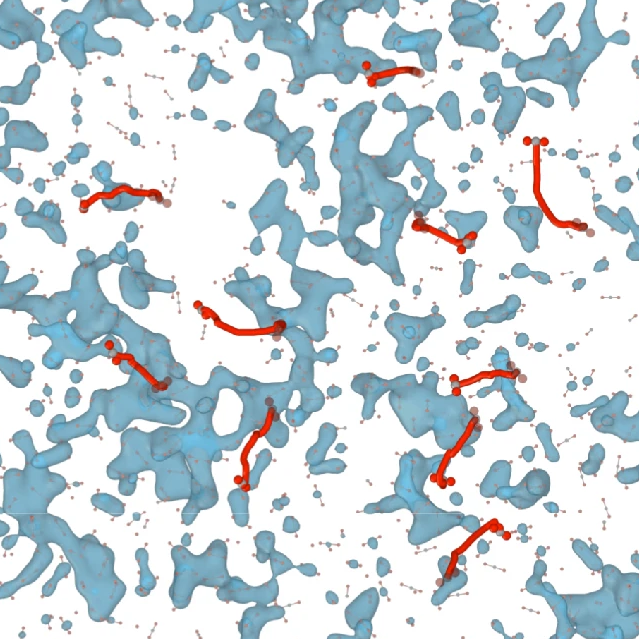
Characterization of structural heterogeneity and ultrafast dynamics in supercritical fluids
Using coherent X-ray scattering techniques such as X-ray photon correlation spectroscopy (XPCS), inelastic X-ray scattering (IXS) and small angle X-ray scattering (SAXS), we analyze the morphology and dynamics of molecular clusters in supercritical fluids.
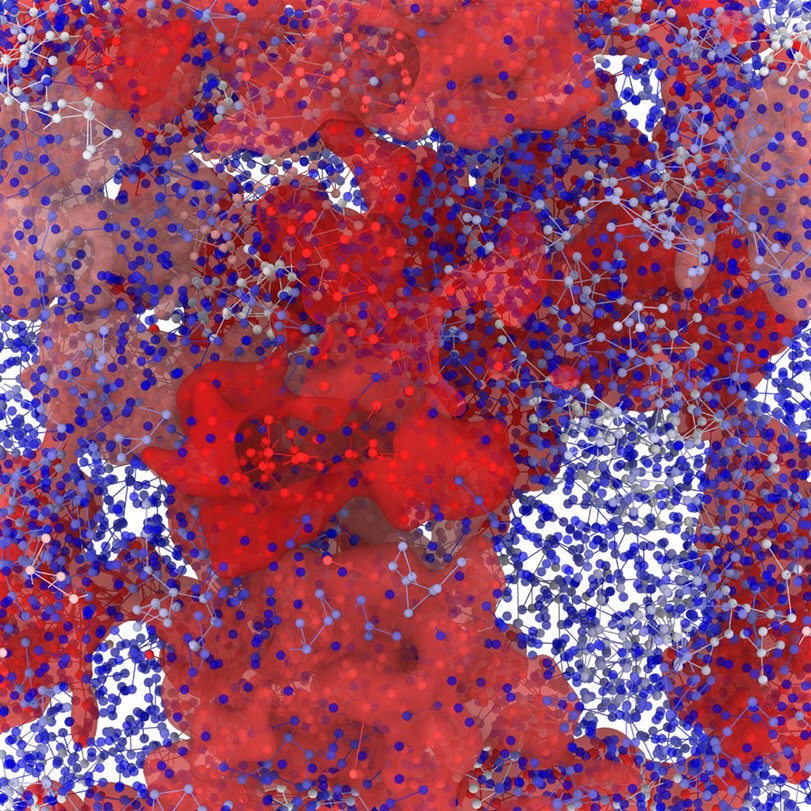
Structural and thermodynamic response of supercritical fluids under nanoconfinement
Molecular simulations of supercritical fluids in nanoconfinement reveal distinct cluster morphology and thermodynamic properties when compared to the bulk fluid revealing potential applications in porous media systems and carbon capture.
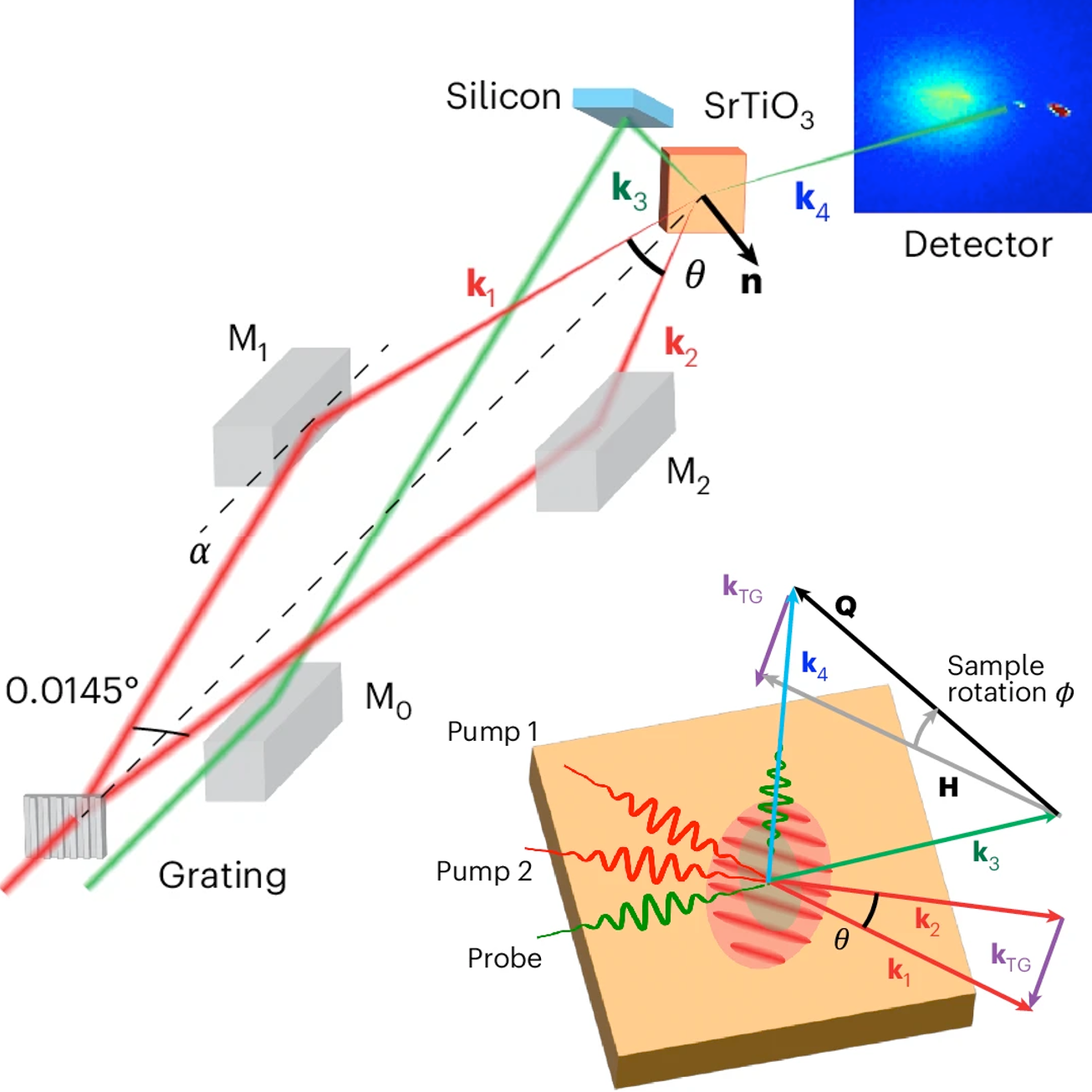
Development of nanoscale X-ray transient grating (XTG) to study collective dynamics in crystals
We developed XTG at the Linac Coherent Light Source to examine coherent collective dynamics in bulk crystals. Two X-ray pulses are overlapped to create a periodic excitation which diffracts a third X-ray pulse, allowing us to probe and modulate nanoscale dynamics in condensed matter.
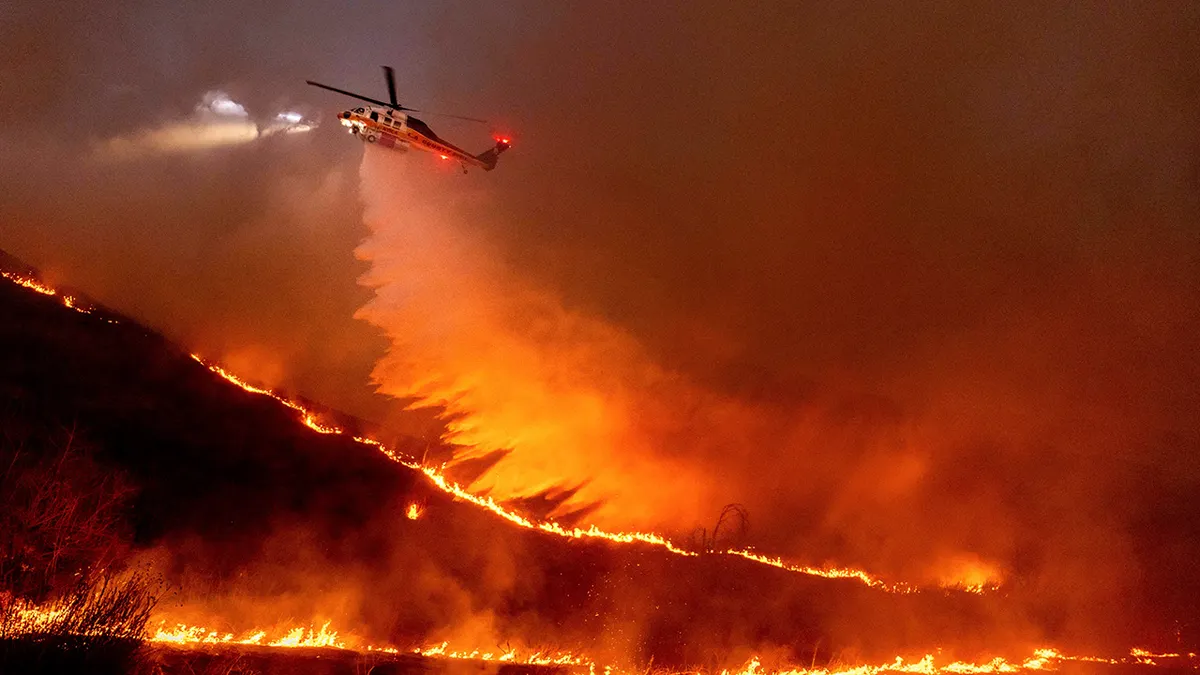
Figure: Water is dropped by helicopter on the Kenneth Fire in the West Hills section of Los Angeles. (Ethan Swope/AP)
Wildfires are growing in frequency and severity, and their effects reach from the flame front to the air quality of communities far downwind. We study wildland fire across this full range, connecting laboratory measurements, high-resolution physics-based simulation, and data-driven modeling to understand how fires spread, measure their impact on human health, and develop practical tools that support fire management, emissions mitigation, and risk assessment.
Some core elements of our research program in this area include:
- Air quality and health impact: Combining high-resolution air-quality forecasts with exposure analysis to quantify the public-health burden of wildfire smoke, including the excess mortality caused by acute exposure during major fire events.
- Physics-based fire modeling: Performing coupled fire, atmosphere, and terrain large-eddy simulations to resolve how wind, topography, and buoyancy govern fire spread across kilometer-scale landscapes.
- Data-driven prediction: Building machine learning models and large simulation ensembles to create fast and reliable tools for operational fire forecasting.
- Laboratory measurement and diagnostics: Developing non-intrusive diagnostics for bench-scale fire experiments, using quantitative X-ray computed tomography alongside time-of-flight mass spectrometry to characterize smoke composition under controlled conditions.
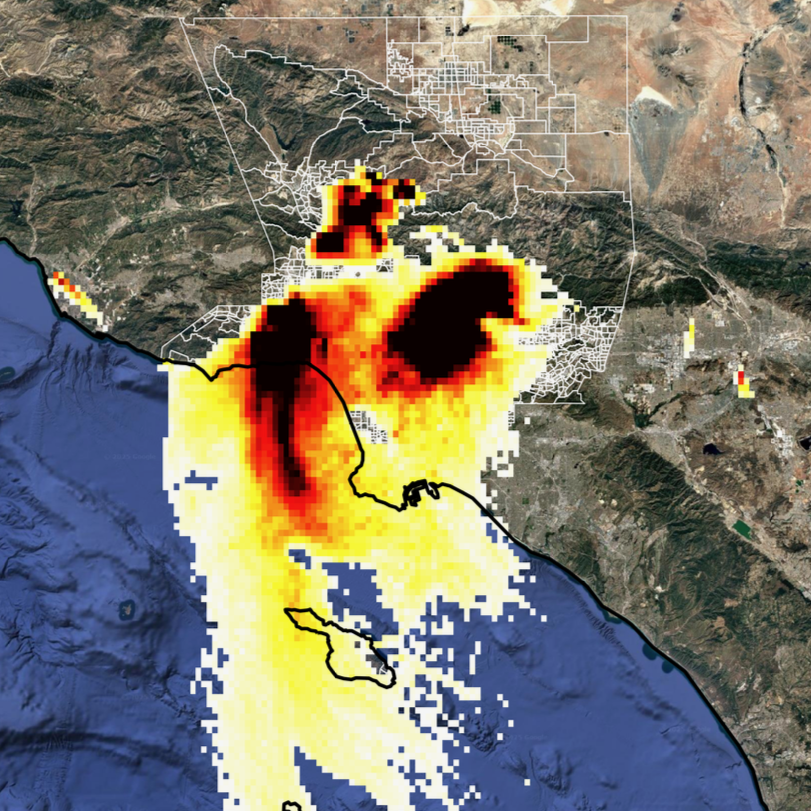
Emissions and Health Outcomes
Wildfire smoke carries fine particulate matter and carcinogenic compounds that drive respiratory and cardiopulmonary illness well beyond the burn area. We pair high-resolution air-quality data with exposure analysis to quantify these impacts, estimating the excess mortality attributable to smoke during major fires.
Fire Spread Dynamics
Topography, wind, and buoyancy interact to produce fire behavior that simplified spread models cannot capture. Using physics-based large-eddy simulations that couple fire, atmosphere, and terrain, we resolve the mechanisms behind complex phenomena such as fire line rotation and non-local spread in canyon environments.
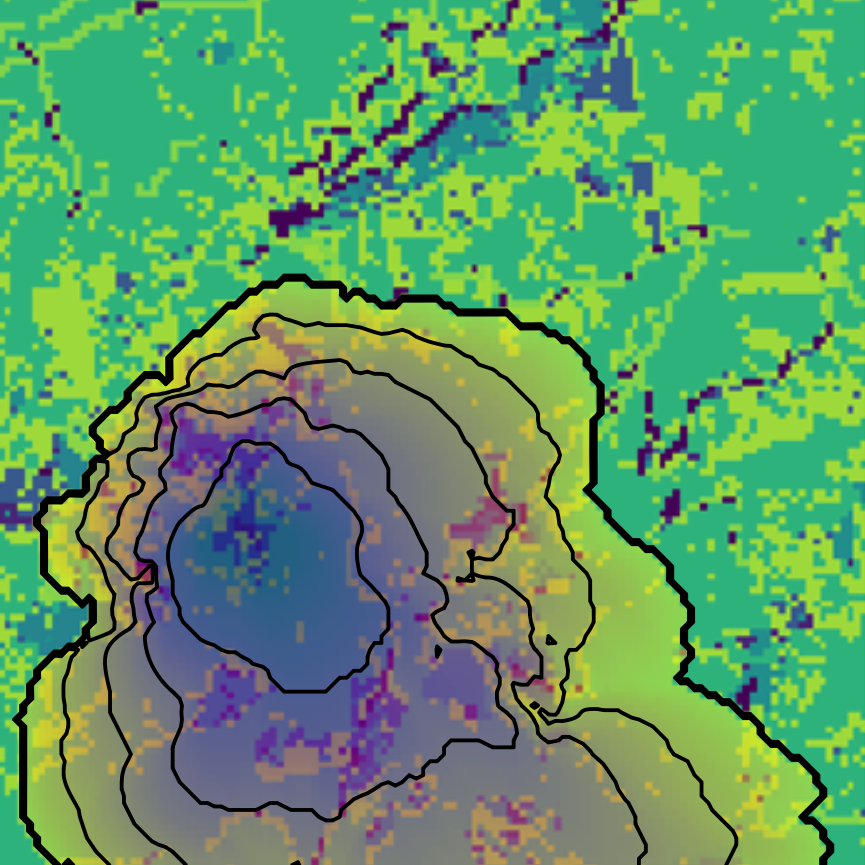
Predictive Model Development
Operational fire response needs models that are both fast and physically credible, since first-principles simulations are too costly to run in real time. By drawing on large ensembles of high-fidelity simulations, data-driven approaches link detailed physics to predictive tools well-suited for rapid risk assessment.